Out of the box
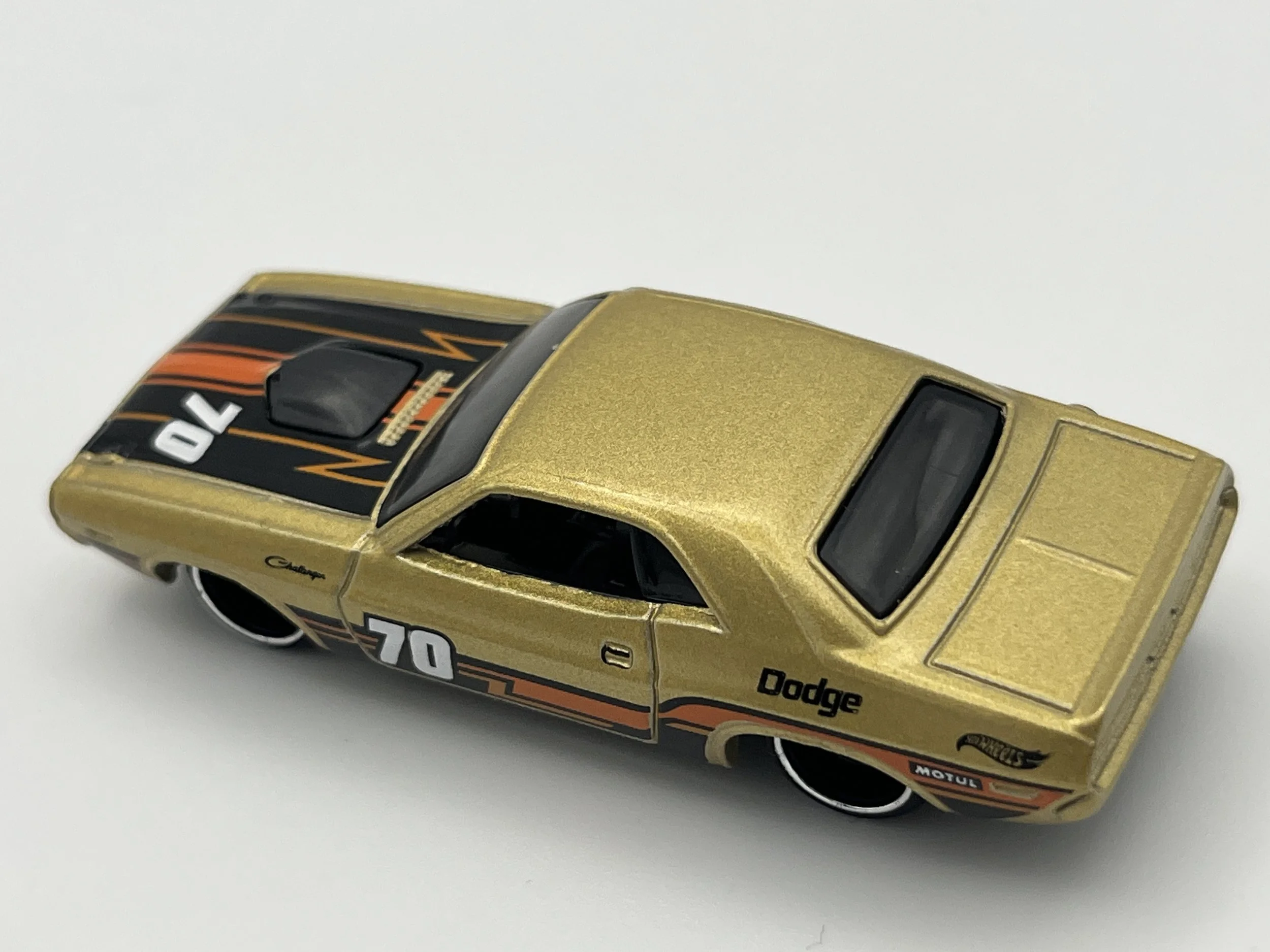
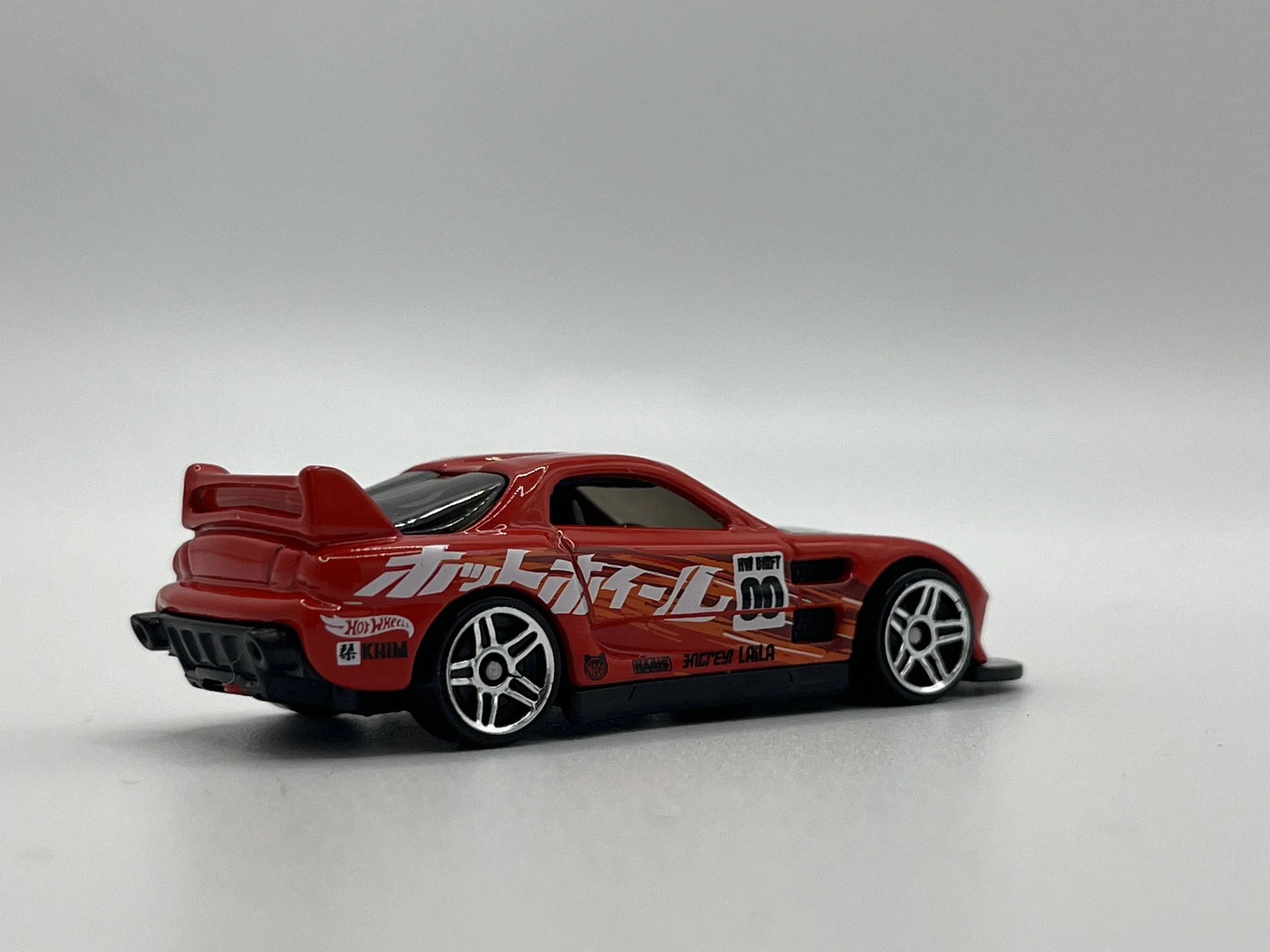
I bought two Hot Wheels — palm-sized, die-cast, shop-shelf ordinary — and treated them like the leads of a feature film.
First came the photography, and I didn't rush it: each car shot from every angle, low and heroic, overhead, hard three-quarters, raking light down the flanks to catch every panel line and reflection. A complete study of each car's exact character. That photography became training data — I built an AI model of each car individually, so the detail came from the real object, not a generic guess at "a car." It's the part people skip, and it's the part that matters most: get the source material right and every frame downstream holds up.
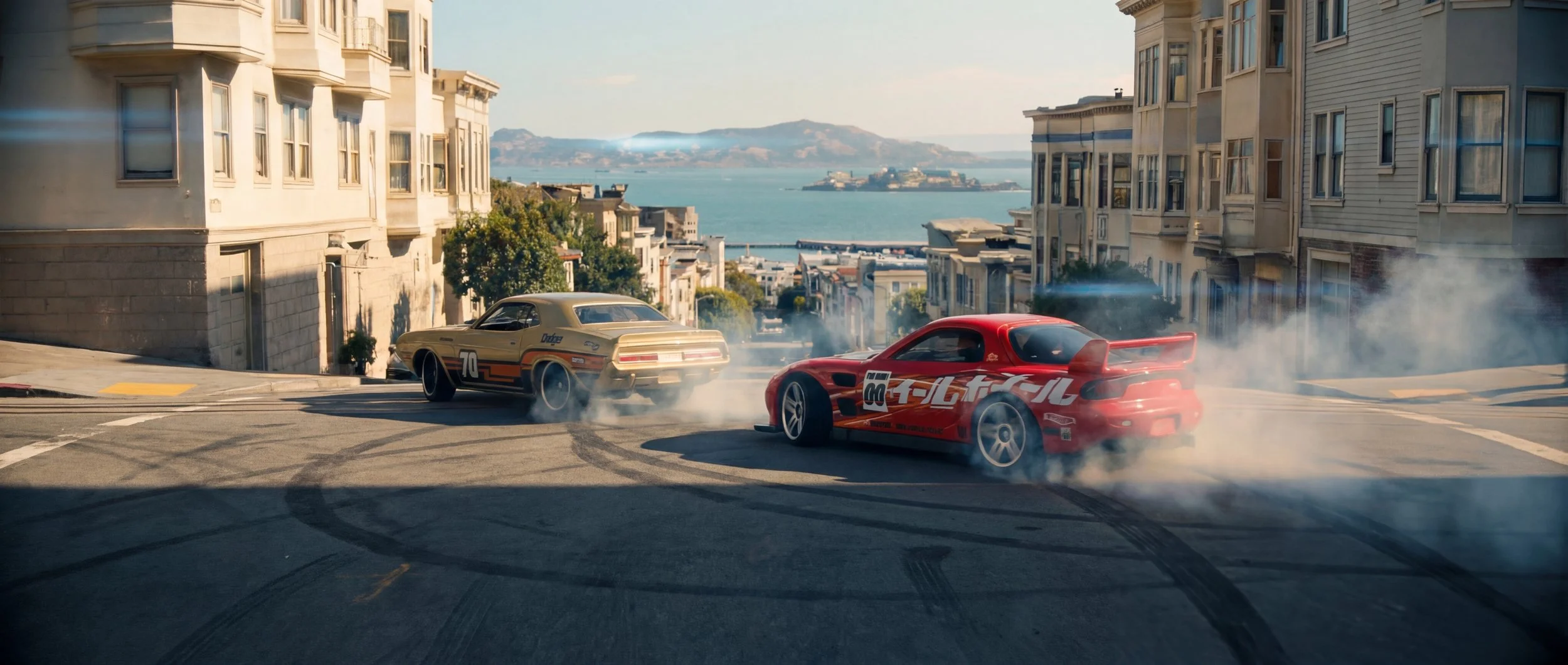
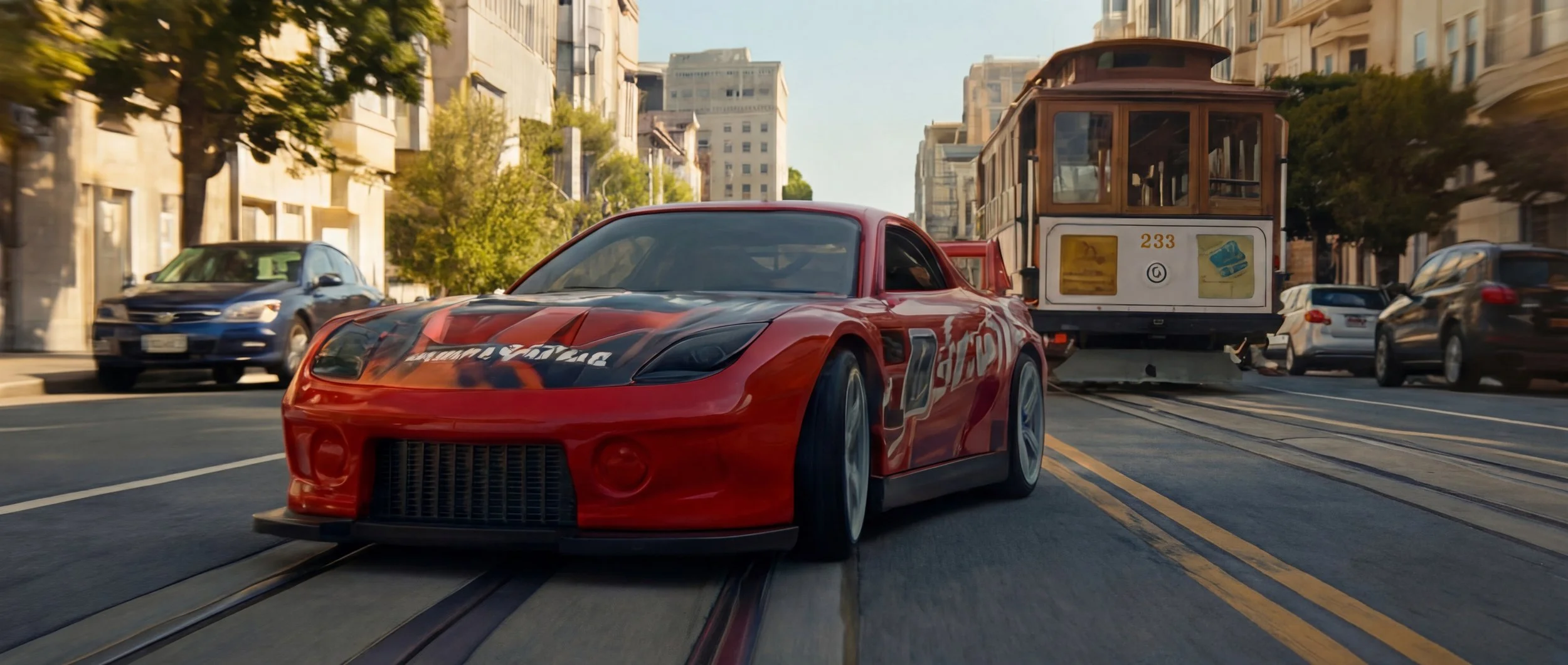
Then I freed them from their scale and sent them to San Francisco — two toys tearing through the city's impossibly steep streets, cresting the hills, dropping into the descents, the camera right in the thick of the chase.
The whole point: AI works best when it's built on something real. Real objects, real photography, real craft — and AI becomes a way to make the impossible, not a shortcut around the work.